

Weed in Jiangmen: An In‑Depth Exploration
Introduction
Jiangmen is a prefecture‑level city in Guangdong Province, located in southern China. With its rich history, booming economy, and proximity to Hong Kong and Guangzhou, Jiangmen plays an important role in the Pearl River Delta region. But what about cannabis — commonly referred to as “weed” — in Jiangmen? What is its legal status, how is it enforced, and how common (or rare) is its use there?
In this article, we examine the issue of weed in Jiangmen from multiple perspectives: legal, historical, social, and risk-related. We place Jiangmen within the larger context of China’s strict cannabis laws, explore why someone might think about weed there, and what the real dangers are. We also discuss broader cultural factors, enforcement realities, and what future developments may (or may not) look like.
1. Legal Status of Cannabis in China
To understand weed in Jiangmen, we must begin with China’s national legal framework — because provincial or municipal laws operate under the broader national system.
- Strict Prohibition for Recreational Use
Cannabis is illegal in China for recreational use. Under Chinese law, it is treated similarly to many other controlled narcotic substances.According to the Law on Public Security Administrative Penalties, individuals caught with small amounts of cannabis may be detained for 10 to 15 days and fined up to 2,000 yuan. - Criminal Penalties for Trafficking and Cultivation
The Criminal Law of the People’s Republic of China imposes harsh penalties for smuggling, trafficking, or manufacturing cannabis.- For serious offenses involving large amounts, punishment can be 15 years’ imprisonment, life imprisonment, or even the death penalty, according to Article 347.
- Illegally cultivating cannabis plants (or other narcotic plants) is also criminalized. As per Article 351, if someone cultivates more than 500 but fewer than 3,000 narcotic plants, they may face up to 5 years’ imprisonment, short-term detention, or other correction, plus a fine.
- If cultivation is even greater (e.g., more than 3,000 plants), the sentence could be 5 years or more, plus fines or confiscation of property.
- Industrial Hemp Exception
Importantly, not all cannabis is treated equally. The Chinese legal system allows for the cultivation and use of industrial hemp — defined as cannabis with very low THC (typically under 0.3 %). - No Legal Medical Marijuana (in Practice)
While many countries distinguish medical and recreational cannabis, China does not have a well-established, legal medical cannabis program.In fact, even CBD-derived products face intense regulation and are largely prohibited for domestic recreational use. - Enforcement Realities
Enforcement of cannabis laws in China can be severe. The state maintains a zero-tolerance policy.
2. Historical and Cultural Context: Cannabis in China (and Guangdong)
To contextualize weed in Jiangmen, it’s useful to look at the broader history and cultural background of cannabis in China.
- Origins in China
Cannabis has deep roots in Chinese history. Some genetic studies suggest that wild cannabis originated in what is now China. (Wikipedia)Over millennia, the plant’s fibers were used for rope, textiles, and traditional medicine. Hemp cultivation was historically common in different regions of China. - Shift Toward Prohibition
In more recent history, China adopted strict drug control policies. In 1985, China joined the Convention on Psychotropic Substances and classified marijuana as a dangerous narcotic.Over time, the government tightened its approach to narcotics, including cannabis, trampling on any leniency for recreational use. - Industrial Hemp Resurgence
Despite strict drug laws, China has embraced industrial hemp on a large scale. Hemp with very low THC content is cultivated under regulation for commercial and industrial purposes (like textiles, building materials, food, and more).This duality — zero tolerance for recreational use, but permit for certain hemp applications — showcases China’s nuanced approach: it restricts psychoactive cannabis but allows non-intoxicating industrial variants. - Public Perception and Culture
Public attitudes toward cannabis in China remain predominantly negative, especially for recreational use. Cannabis is generally stigmatized.While younger people in some Chinese cities may experiment, the social risk (legal, reputational) is substantial.Unlike in some Western countries, there is no widespread “weed culture” in mainstream Chinese society. Legal and regulatory risks serve as powerful deterrents.
3. The Situation in Jiangmen — Is Weed Really a Thing There?
Given the national context, how does “weed in Jiangmen” fit in? Is cannabis a problem (or phenomenon) in Jiangmen? The short answer: there is limited credible public information suggesting a large or open cannabis market in Jiangmen — but that does not mean risk is absent.
- No Public Legal Market
Since cannabis is illegal for recreational use across China, Jiangmen has no legal dispensaries, cannabis cafes, or similar establishments you might find in places where marijuana is permitted. All recreational cannabis activity would necessarily be underground, illicit, and risky. - Black Market Risks
Like many Chinese cities, Jiangmen is likely to have a black market for cannabis. But this market is covert, with major risks. Because of the strict penalties, participants in such markets (users, sellers, transporters) constantly face legal danger. - Law Enforcement
Local law enforcement in Guangdong Province, which includes Jiangmen, would enforce national drug laws. Police crackdowns on drug trafficking and cultivation are common in China generally, and Guangdong has been a major economic and transport hub — meaning drug enforcement is likely a priority. - Hemp Cultivation in the Region
While Jiangmen itself is not especially famous for large-scale industrial hemp production, Guangdong Province does participate in various agricultural and industrial sectors. It is possible (though not prominent) that regulated hemp cultivation occurs in or near the region. - Social Demand
The demand for recreational cannabis in Jiangmen is likely lower than in regions with more liberal drug cultures. Due to legal risk, many locals may avoid cannabis use entirely, or limit it to private, clandestine spaces (if at all). - Awareness and Misinformation
Some people (residents or visitors) may misperceive the risk of weed, especially younger people influenced by global cannabis culture. But because the Chinese system does not provide safe or legal consumption outlets, misunderstandings can lead to severe legal consequences.
4. Risks of Using Weed in Jiangmen
If someone considers using weed in Jiangmen (or elsewhere in China), they should be fully aware of the risks. Below are the primary risks and considerations.
- Legal Risk
- Personal consumption: Even for “small amounts,” Chinese law allows for administrative detention (10–15 days) and fines.
- Trafficking or trafficking‑level amounts: May lead to severe criminal charges, including long-term imprisonment, life sentence, or even death penalty in extreme cases.
- Cultivation: Illegal cultivation can carry years of prison time, particularly for large-scale operations.
- Detection Risk
- Chinese authorities conduct drug testing. There are reports (including by expats) of testing of foreigners at airports or other entry points.
- Testing positive can result in detention, legal action, deportation, and a ban from re-entry.
- Even if someone used cannabis outside China, they can be penalized upon return.
- Health Risk
- Beyond legal issues, using cannabis (especially from a black market) carries health risks: unknown purity, potency, and adulteration.
- Without regulated sources, users may be exposed to contaminated products.
- Social and Reputational Risk
- In Chinese society, involvement with drugs can carry serious stigma, affecting employment, personal relationships, and social standing.
- For foreigners, being caught can lead not just to detention but deportation and legal record, making future travel riskier.
- Economic Risk
- Legal fines and detention cost money (both in direct fines and indirect costs like legal representation, missed work).
- If caught trafficking, potential confiscation of property or long prison terms can have devastating economic consequences.
5. Why Some Might Consider Weed in Jiangmen — Despite the Risk
Given the high risks, why would someone even think about weed in Jiangmen? There are a few motivating factors — though none justify ignoring the legal danger.
- Curiosity and Global Culture
- Global cannabis culture influences youth around the world, including in China. Some people might be curious to try weed after exposure via travel, media, or friends abroad.
- The normalization of cannabis in many Western countries can mislead individuals into underestimating risk in China.
- Black Market Access
- For people determined to access weed, illicit networks (local or cross‑regional) may offer avenues. But these are risky, expensive, and legally dangerous.
- The black market tends to be more opaque; what you buy may be impure or dangerous.
- Hemp Products Misunderstanding
- Some may confuse industrial hemp (which is legal under certain regulations) with recreational cannabis. This misunderstanding can lead to illicit behavior or legal misjudgment.
- Someone might try to leverage “hemp” connections to access psychoactive cannabis, but that remains illegal without appropriate licensing or violation.
- Perceived Low Risk
- Some individuals might estimate that the small-scale personal use carries little risk, thinking that the authorities focus on big traffickers rather than users.
- But this underestimates the risk of detection, testing, and legal consequences.
- Foreign Influence
- Expats or travelers who have used cannabis legally outside may wrongly assume they are safer in China; however, detection upon re-entry is a well-documented risk. (AP News)
- People returning from countries where cannabis is legal may bring the substance (or metabolites) into China, risking penalty.
6. Possible Enforcement Scenarios in Jiangmen
Let’s walk through potential real‑world scenarios in Jiangmen — what could happen if someone tries to use or traffic cannabis there.
| Scenario | What Might Happen in Jiangmen |
|---|---|
| Possessing a small amount (e.g., some buds for personal use) | Risk of administrative detention (10–15 days), fine (up to 2,000 yuan), possible drug education program. |
| Using cannabis in a private setting | Still risky if detected; possible raid or report; law enforcement may press charges or detain, especially if usage is not purely private or is shared. |
| Transporting cannabis into Jiangmen (e.g., from another city) | High risk: could be treated as trafficking; potential arrest, criminal charges. |
| Involved in selling or distributing weed locally | Very severe: charged under criminal law; might face long prison sentence, property confiscation, or worse. |
| Cultivating cannabis plants | If discovered, likely uprooting by authorities, plus criminal charges under Article 351 of Criminal Law. Possible prison time depending on scale. |
| Returning to China after using weed abroad | Possible random drug test at entry; detection might lead to administrative detention or more serious legal consequences. |
7. Broader Implications: Why Weed in Jiangmen Is Not Just a Local Issue
Understanding cannabis in Jiangmen is more than a local curiosity — it ties to broader themes in Chinese society, law enforcement, and policy.
- China’s Drug Control Policy
The strict regulation of cannabis reflects China’s long-standing zero-tolerance approach to narcotics. This is not a regional phenomenon; it is central to national public security policy.By enforcing harsh penalties, the Chinese government aims to deter not only local consumption but also international trafficking routes. - Economic and Geographic Significance of Guangdong
Guangdong Province, where Jiangmen is located, is economically vital, with major trade, transport, and cross-border flows. This makes drug control especially important in the region.Illicit drug trafficking through Guangdong would be strategically significant, so authorities are incentivized to maintain strong enforcement. - Industrial Hemp vs Recreational Use
The coexistence of a thriving hemp industry with a zero-tolerance recreational policy underscores China’s dual-track approach. On one hand, hemp supports legitimate economic development; on the other, recreational cannabis is criminal.This dynamic may lead to misunderstandings, as hemp and psychoactive cannabis are conflated by some, but legally they are treated very differently. - Social Change and Youth
As young Chinese are exposed to global cannabis culture, demand (or curiosity) may rise. But social stigma, legal risk, and enforcement remain powerful deterrents.Whether attitudes will soften or harden in coming years is unclear, especially given China’s political context and public security priorities. - Foreign Nationals and Travel Risk
Foreigners traveling to China should be acutely aware of cannabis laws. Even if weed is legal in their home country or in the country they visit, they risk detention or deportation if they test positive on reentry to China.
8. What Could the Future Hold?
What might happen going forward with cannabis in Jiangmen (and China broadly)? Several possible trends, as well as significant barriers to change.
- Continued Strict Enforcement
- Given China’s current political climate, it’s likely that strict enforcement will continue for the foreseeable future. The government is unlikely to legalize recreational cannabis in the near term.
- For major traffickers, the death penalty or long prison sentences will likely remain an available tool.
- Growth of Hemp Industry
- Industrial hemp is likely to continue growing as a legal, regulated sector. This could expand in Guangdong province, leveraging favorable climate and agricultural capacity.
- Hemp-derived products (fiber, seeds, CBD for export) may drive local economic development — but the domestic use of psychoactive cannabis remains blocked.
- Public Attitude Slowly Evolving?
- There might be modest shifts in public perception, especially among younger generations, toward more nuanced views of cannabis (recreational vs industrial).
- However, cultural stigma and legal risk will continue to strongly influence behavior.
- International Pressure and Influence
- As more countries legalize cannabis, there may be increasing international pressure or influence. But China’s approach to drug policy has typically prioritized domestic social stability over aligning with global trends.
- Any policy change would likely be gradual, cautious, and tightly controlled — if it happens at all.
- Technological and Enforcement Advances
- With advances in surveillance, drug testing, and law enforcement, authorities may become even more effective at detecting illicit cannabis activity.
- On the flip side, illicit networks may adapt, but doing so would remain extremely risky.
9. Advice for Readers (Especially Visitors or Expats)
For anyone reading this article — particularly travelers, expatriates, or people curious about cannabis in Jiangmen — here are some practical take‑home points and warnings:
- Avoid Recreational Weed in China
Given the legal risk, avoid using cannabis in Jiangmen (or anywhere in China) for recreational purposes. The penalty is not just a slap on the wrist; it can lead to serious legal consequences. - Be Careful with Hemp Products
If you are interested in hemp or CBD products, be very cautious. Although industrial hemp is legal in China in some contexts, rules are strict and complicated. Misunderstanding could lead to legal trouble. - Understand Entry and Exit Risks
If you travel internationally and use cannabis legally elsewhere, be mindful that returning to China could trigger drug tests. Detection may lead to administrative detention, fines, or worse.
10. Conclusion
In summary, weed in Jiangmen is not a legal, safe, or openly tolerated phenomenon. Under Chinese national law, recreational cannabis is strictly prohibited. While small-scale possession might lead to administrative detention and fines, serious offenses — trafficking, large-scale cultivation, or manufacturing — can result in harsh criminal penalties, including life imprisonment or even the death penalty in extreme cases.
Jiangmen, as part of Guangdong Province, falls directly under these national laws, and there is no special legal carve-out for recreational cannabis. The only legal cannabis-related activity allowed is industrial hemp with very low THC, tightly regulated.
For anyone — locals or foreigners — considering cannabis in Jiangmen, the legal and personal risks are significant. The safest approach is to fully avoid illicit cannabis use, to respect Chinese cannabis law, and to consider legal, regulated hemp-based alternatives if that is your interest.
FAQs (Frequently Asked Questions)
Q1: Is weed legal in Jiangmen?
A1: No. Recreational cannabis is illegal in China, including Jiangmen. Any possession, use, cultivation, or trafficking can lead to serious legal penalties.
Q2: What happens if I’m caught with a small amount of cannabis in Jiangmen?
A2: You may face administrative detention for 10 to 15 days and a fine (up to about 2,000 yuan), according to Chinese public security regulations.
Q3: Can someone in Jiangmen grow cannabis plants for personal use?
A3: No. Illegal cultivation of cannabis (or other narcotic plants) is criminalized. If more than 500 but fewer than 3,000 plants are grown, individuals may face up to 5 years in prison, detention, or fines.
Q4: Is industrial hemp allowed in Jiangmen (or China)?
A4: Yes, industrial hemp (with very low THC) is permitted under strict regulation in parts of China, including some regions of Guangdong.
Q5: What are the penalties for trafficking or manufacturing cannabis in China?
A5: Very severe. Under Chinese Criminal Law, smuggling, trafficking, or manufacturing narcotics (including cannabis) can lead to 15 years in prison, life imprisonment, confiscation of property, or even the death penalty, depending on the scale.
Q6: Could a foreigner be tested for cannabis when entering Jiangmen or China?
A6: Yes. There are reports of random drug testing of foreigners, especially at entry points. Testing positive for cannabis (even if used abroad) may result in detention, fines, deportation, or being barred from re-entry.
I have used Global Weedworld (Globalweedworld@galaxyhit.com) at least 4-10 times and every time it has been a top notch.
He is the best local plug you can find around. He is very pleasant, friendly and fast. He is a lifesaver.
He sells top shelf WEED and other stuffs at moderate prices. I will always recommend this guy when people ask me my ” go-to”.
All you have to do is follow his instructions.
Just send him an email and I bet you will come back for more once you finish with what you bought because his quality is amazing.
Also Contact him on his telegram link telegramhttps://t.me/GlobalweedWorld
⚠️ Know that he do not have telegram channels only the telegram link above
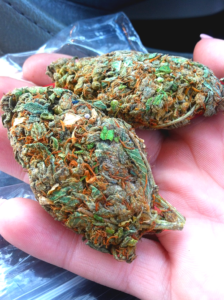
The strain was exactly what I was looking for. It had that perfect balance, and the high was smooth. Also, the packaging was discreet and professional. Really impressed
I’ve been buying online for a while, but this shop’s service and product quality set them apart.
Everything was fresh, potent, and the customer service is outstanding
My first purchase and I’m hooked.
Excellent product and the customer support was super helpful in answering all my questions. Highly recommend this site
From browsing to checkout, everything was seamless. Delivery was on time, and the product exceeded my expectations. I’ll be recommending this to my friends
told me that he doesn’t accept cash and i thought he is one of those idiots who took advantages of people but i decided to give him a try by making the payment first using bitcoin, surprisingly he arrived within the time he promised me and i received what i ordered. thank you, Global weed world, whenever i return here you will always be my plug without doubt.
I’ve been buying from a lot of different places, but this one stands out. The bud is top-notch, and the prices are reasonable.
Will be ordering again soon! Amazing experience! The product was exactly as described,
and the packaging was on point—safe and odor-free. Thank you!
Third order in a row — flawless. Told my friends — now they’re ordering too. This is how weed buying should be. Clean, easy, reliable.
Best decision I made all week. Real ones know. This site is fire. I don’t usually leave reviews, but this deserved one.
Delivery was crazy fast, and the product… This place is setting the bar for online weed shops. Keep doing what you’re doing. You’ve got a loyal customer for life.
I was worried about ordering online, but the packaging was perfect completely. You can tell they care about their customers. Fast replies and reliable support.